
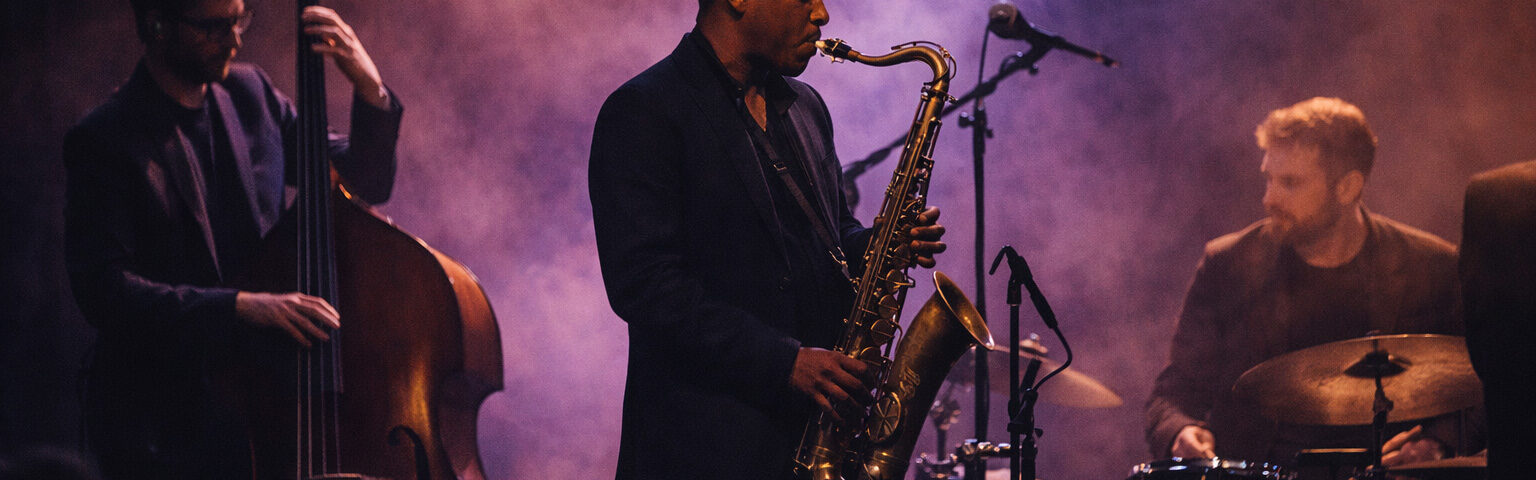
Every strong jazz scene depends on more than major names. It relies on the constant renewal of talent: players arriving with technical command, a sense of tradition, and enough individuality to push beyond imitation. The most interesting emerging artists are rarely those who abandon the past, but those who absorb it so fully that it becomes a foundation rather than a constraint.
That process has always been central to jazz. Each generation inherits a language built over decades, then tests how much elasticity remains within it. Some artists lean toward refinement, deepening the tonal and rhythmic possibilities of established forms. Others treat the same inheritance as material to be fractured, expanded, and reassembled. What matters is not novelty alone, but whether the result feels alive.
Why Emerging Artists Matter
Artist discovery remains one of the great pleasures of jazz because the genre continues to reward close attention. New musicians often arrive without the machinery that surrounds mainstream success. Their reputations build more gradually — through word of mouth, small rooms, late-set appearances, festival side stages, and recordings passed between listeners who recognise promise before the wider culture does.
This slower process can be an advantage. It gives artists time to develop a sound before they are overexposed, and it gives audiences the chance to encounter music with fewer preconceptions. A discovery made in that context tends to feel personal. It creates the sense of having arrived at something just before the rest of the room catches up.
Tradition and Voice
The question for emerging jazz artists is rarely whether to honour tradition, but how. The strongest players understand that influence is unavoidable. Standards, phrasing, instrumentation, and ensemble logic all carry history within them. Yet the point of studying the tradition is not to disappear into it. It is to use it as a discipline through which a more individual voice can take shape.
This is why artist development in jazz still feels distinct from other genres. Technical skill remains visible. Listening matters. Ensemble awareness matters. So does the ability to move between precision and risk without losing coherence. A young artist may arrive with virtuosity, but what keeps listeners returning is the sense that something recognisably their own is beginning to emerge.
The Role of Festivals and Small Rooms
One reason festivals remain so important is that they provide a bridge between discovery and recognition. A well-programmed event can place an emerging artist beside established figures without reducing them to novelty. In the right setting, a smaller afternoon set can generate as much conversation as a headliner. For musicians on the rise, these moments matter. They create context, credibility, and the possibility of being heard by the right audience at the right time.
Small rooms perform a similar function. Their scale allows subtlety to survive. Nuance can still register. Audiences can hear how a player shapes silence as much as sound. For a developing artist, that environment can be more revealing than a larger stage. It exposes what is genuinely compelling in the music, stripped of excess.
What to Listen For
The most reliable sign of an artist worth following is not simply technical ease, but intention. There is usually a moment when a performance shifts from competence to identity — when phrasing tightens, interplay sharpens, or a tone announces itself with unusual clarity. These details are often small, but they linger. They make the listener curious about what might come next.
That curiosity is one of the genre’s greatest gifts. Jazz remains a music of continued discovery, and emerging artists are the clearest reminder that its future is not abstract. It is already on stage, often in quieter slots, waiting for the right listeners to pay attention.