
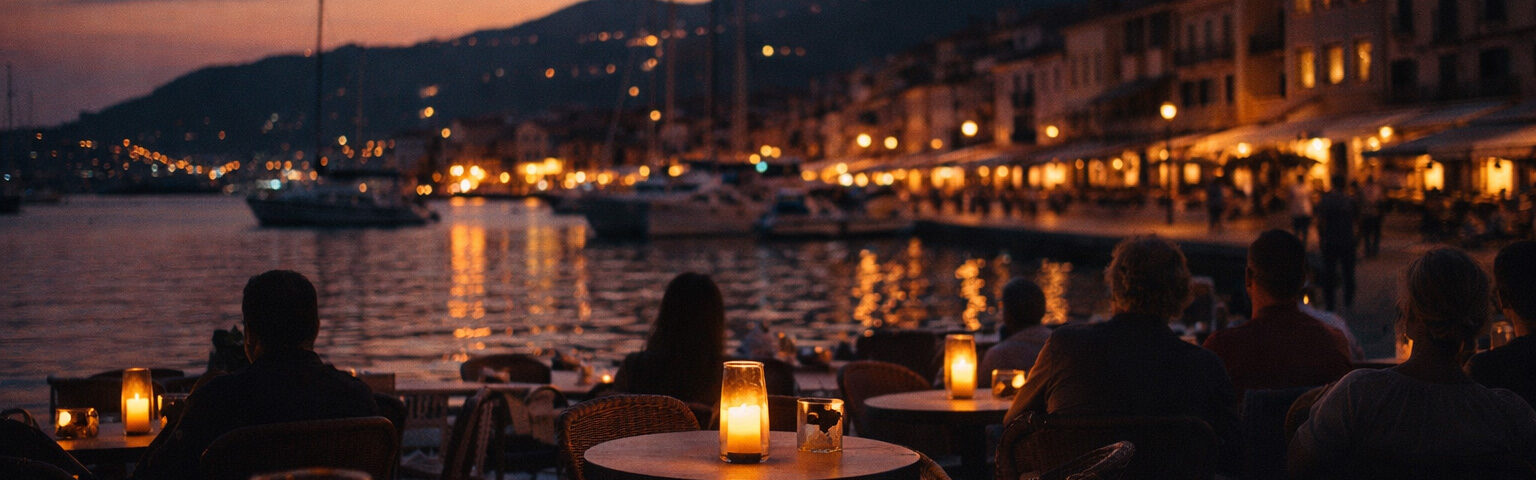
Not every jazz destination announces itself loudly. Some of the most memorable places are defined not by scale or reputation, but by the way they hold an evening together. A modest waterfront town, a terrace above a marina, a compact old quarter lined with bars and restaurants, a venue that feels discovered rather than advertised — these details often shape the deepest travel memories. Jazz responds especially well to places that allow atmosphere to form naturally.
This changes the emotional rhythm of the trip. Instead of rushing from one commitment to another, travellers can move with more confidence and less friction. A destination becomes something to inhabit rather than merely navigate. That distinction matters, because jazz is not only about hearing the right set. It is also about the kind of festival and venue culture described in pieces like All About Jazz’s coverage of Kongsberg Jazz, where multiple venues help define the identity of a smaller destination. In the best cases, place, pace, and performance reinforce one another rather than compete for attention.
Why Intimacy Wins
Intimacy is one of jazz travel’s great advantages. The genre has always favoured environments where listening can remain serious without becoming formal. A smaller destination tends to support this better than a city built entirely around scale. Venues can feel closer to the life of the place. Audiences are often more attentive. Musicians, bars, promenades, and evening routines exist within visible reach of one another.
This changes the emotional rhythm of the trip. Instead of rushing from one commitment to another, travellers can move with more confidence and less friction. A destination becomes something to inhabit rather than merely navigate. That distinction matters, because jazz is not only about hearing the right set. It is about allowing the setting around the set to deepen the experience.
The Importance of the Right Base
Accommodation plays a larger role in music-led travel than is often acknowledged. A destination can promise excellent venues, but if the place you return to feels generic, exposed, or badly located, part of the atmosphere is lost. The strongest jazz trips depend on a base that supports both calm and continuity — somewhere private enough to reset, but close enough to remain connected to the energy of the evening.
This is where destination travel begins to overlap with a more considered idea of luxury. Not extravagance for its own sake, but comfort placed in service of mood. A quiet terrace after a show, a properly designed living space, and the ability to extend conversation beyond the venue can transform a good itinerary into a memorable one.
Rhythm Beyond the Stage
Smaller destinations also allow the hours around performance to matter more. Afternoon walks, quiet cafés, harbour views, sunset drinks, and late suppers begin to feel like part of the same composition as the music itself. This is the rhythm that large-scale cultural itineraries often lose. Everything may be available, but little is given time to settle.
Jazz rewards places where the day can unfold rather than be forced. The right destination lets anticipation build before the first note and reflection linger long after the final set. That slower rhythm is not incidental. It is often what allows the music to register with more force.
A Better Way to Travel Through Music
The continued appeal of intimate jazz destinations suggests something wider about contemporary travel. Many people are no longer looking only for access. They are looking for coherence, tone, and the sense that a destination can carry a mood from one part of the day to the next. Music is the beginning of that experience, but not the whole of it.
That is why the most rewarding jazz destinations are often the ones that feel slightly protected from excess. They make room for attention, for place, and for the quieter rituals that turn a journey into something memorable. In those environments, jazz becomes what it has always been at its best: not just a performance, but a way of moving through the world with more care.